
September 2023
Branding: A Crash Course for the ECE Community
A summary of the session, Branding: A Crash Course for the ECE Community, that was presented at the 2023 ECEDHA Annual Conference and ECExpo
By: Kathleen Meehan (California State University, Chico), Sid Deliwala (U Penn, Philadelphia), Tony Maciejewski (ECCS Division Director, NSF), Jane Halpern (MIT), and Priscilla Capistrano (MIT)
Branding has continued to be a critical issue for electrical and computer engineering. ECE often works behind the scenes, making it less visible to the public. In addition, the general population may not fully understand the role of ECE professionals in developing and maintaining the technology they use daily.
The challenge we see as practitioners in the field is, how do we create communication that engages students and perceives what practicing engineers and educators know to be exciting? Participants at the 2023 ECEDHA Annual Conference and ECExpo opened their eyes to this challenge in an engaging panel led by ECEDHA academic members and ECE communicators working group members.
Panelists included Kathleen Meehan (California State University, Chico), Sid Deliwala (U Penn, Philadelphia), Tony Maciejewski (ECCS Division Director, NSF), Jane Halpern (MIT), and Priscilla Capistrano (MIT).
Many exciting technologies are key to the field of ECE, and one of the most important things educators can do is highlight these exciting topics early on in a student’s academic career. Don’t wait to tell your students about quantum computing, AI, autonomy, or nano. Incoming students are driven by exciting technologies that they can use right away. The ability of an institution to provide fast-paced, nimble, new courses strikes a chord with students. It is an educator's responsibility to reflect on these technologies in a way that strikes a very immediate relevance to the broad field that ECE is part of.
The appeal of ECE happens when students can see the operation in action, which is difficult to convey in the messaging that is so critical when students are looking at ECE as a major. Highlighting topics such as AI, Circuits, and Power will create a broad foundation and a brand that allows ECE curriculum to be easier to relate to.
Many may remember the previous work that the ECEDHA branding working group conducted to support its member institutions as they struggled with decreasing enrollment in ECE. One key lesson that was learned was that perception trumps reality. A fundamental cultural shift in how the public perceives ECE is needed. Another key lesson was the importance of identifying what resonates with the target audience, not necessarily with those in the field today.
>> View the ECE Branding Initiative Materials
In this article, we’ll share discussion outcomes from the ECEDHA Annual Conference session, Branding: A Crash Course for the ECE Community. During this interactive session, members were led through a series of exercises that could help them draw out some important ideas, themes, and approaches to help them better connect with their target audience. In addition, attendees participated in a SWOT analysis that shed light on some of the perceptions of ECE today.
Exercise 1: How would you advertise your major in a 30-second commercial in the Superbowl?
This exercise was designed to draw out some of the things that ECEDHA members felt were the most exciting and relatable characteristics of ECE.
>> View Member Answers
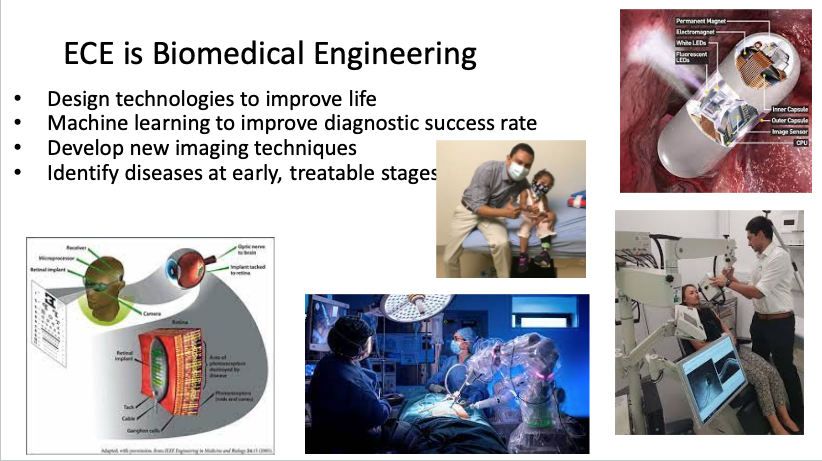
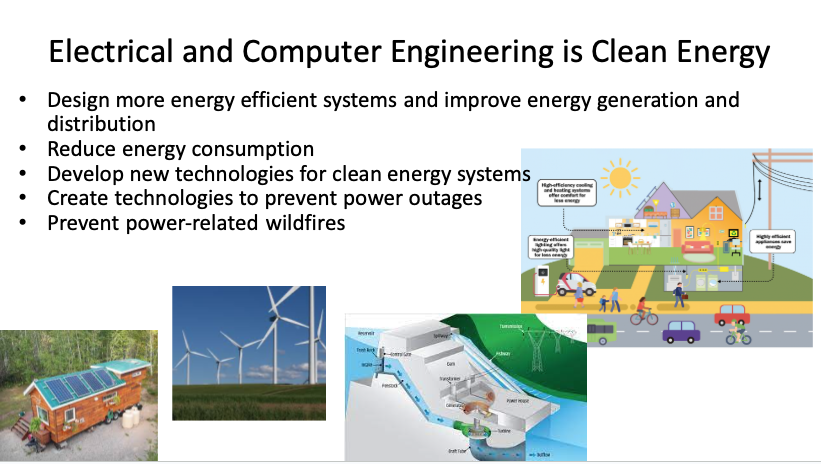
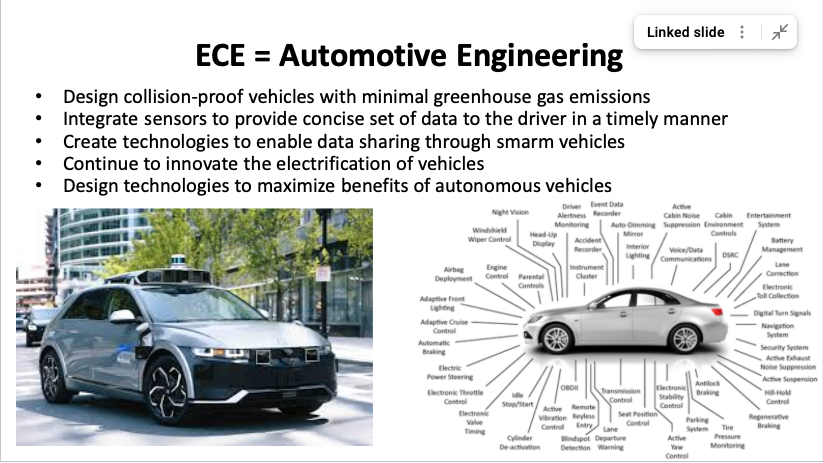
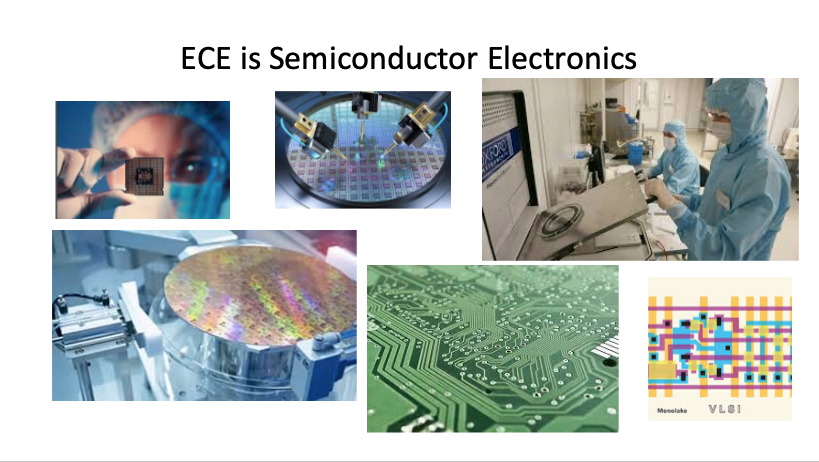
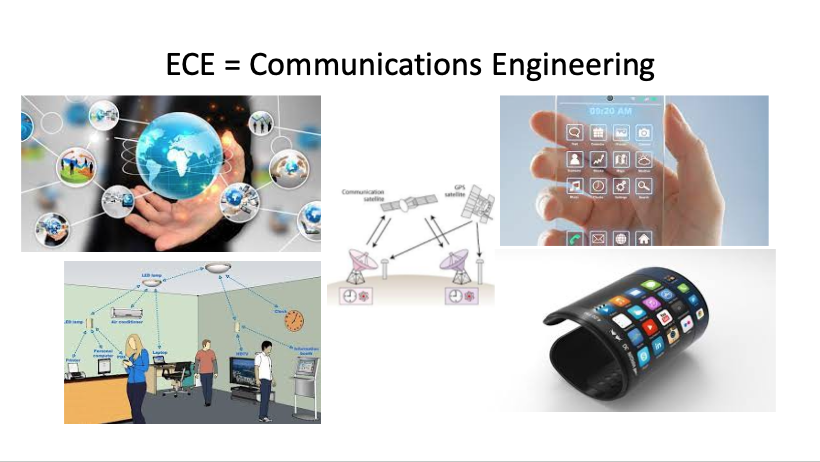
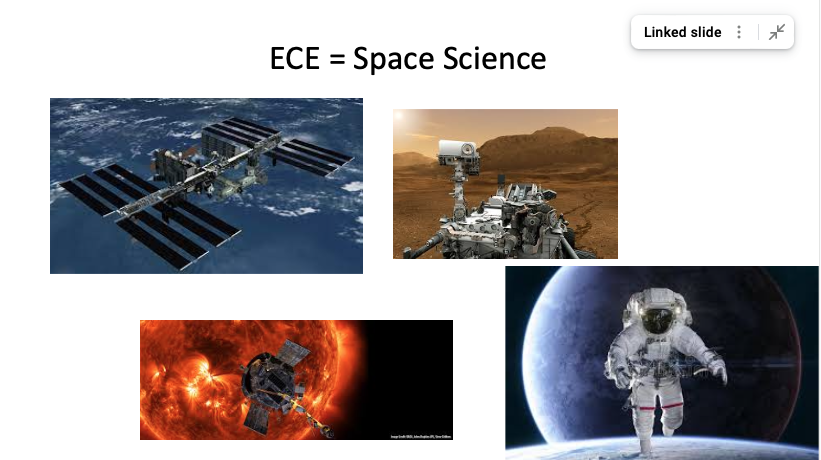
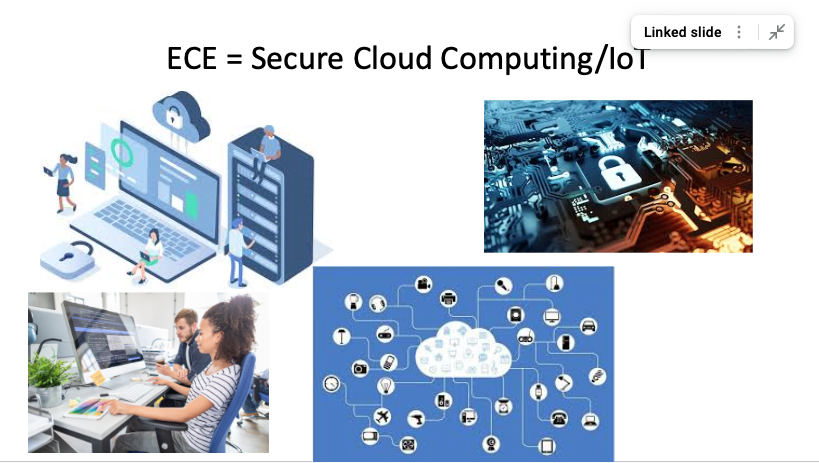
When reading the responses, you will notice that the audience tuned into real-world impact and tangible ways that ECE is used. This approach is critical when talking to a potential audience of K-12 students and their influencers. Ironically, it also tends to differ from how many ECE websites represent the field. Connecting with the audience in your marketing message is essential in order to resonate with the intended audience.
Several examples of relatable content that focuses on real-world issues that ECE is were shared with the audience.
Exercise 2: Who is your department’s target audience?
The audience was encouraged to think about who the target audience for their department would be, taking careful note of industry influences in their region and what would appeal to that audience.
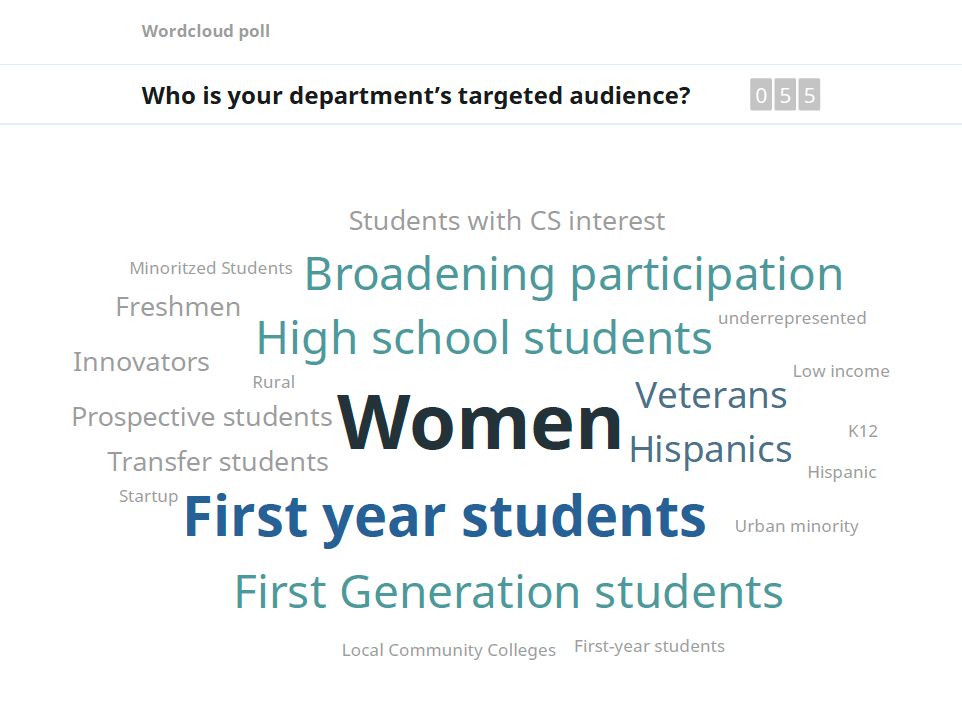
One shared perspective was that one of the most important things to target, especially with younger generations, is not tech; it is people. Younger generations care about helping people – this inspires them more than anything else. By focusing on how communities will benefit from the work done in ECE and how ECE helps improve society, we can resonate with our target audience. It is important to explain why this is important to people and their communities, which in turn, will make your message more engaging.
Lessons learned from this exercise showed the importance of carefully picking your target audience, evaluating the community your target audience comes from and the issues they care about, and finally, considering how ECE addresses and solves those concerns.
Another important item to consider is the age group that you are targeting. For example, studies have shown that by fourth grade, girls have decided if they like math and science. In such an instance, the marketing would need to start quite a bit earlier to attract these audiences and to influence their perceptions.
While it is important to consider our unique target audiences, we also need to come together on a national level to have a cohesive message. There is a national problem where the public needs to understand what electrical and computer engineering even means.
One member shared that the last branding exercise gave a lot of good advice about what to do with branding, but this is different from the message that is reflected on ECEDHA academic institution websites. Many of our schools don’t have the resources, the facilities, or the talent to implement an effective marketing campaign. The information shared today is helpful for an individual department, but we also need to focus on what the ECEDHA community can do.
Exercise 3: Getting to Know Your Audience
ECEDHA members were encouraged to brainstorm what their audience would want to begin better understanding the wants and needs of their target audience.
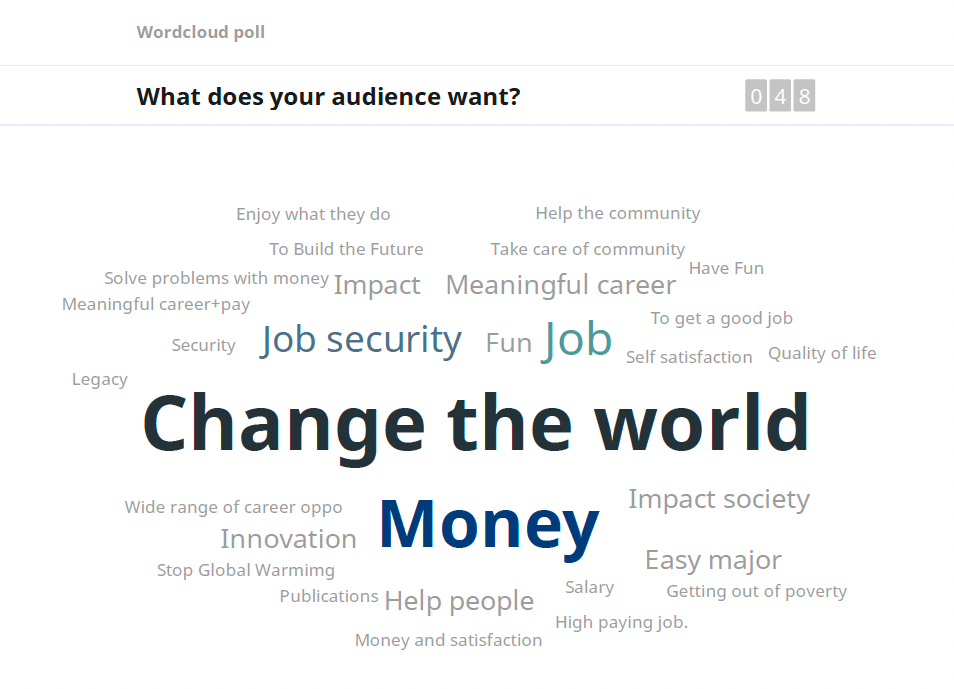
Understanding your audience is critical, but it goes beyond learning just their demographic information and hones in on understanding their needs and wants. For example, how do a high school student’s perspective, needs, and wants differ from those of an ECE alumni? Asking questions can help you determine what content and messages your audience cares about. It can also help to set the tone and voice of your message.
Exercise 4: SWOT Analysis
Next, the panel shared the results of a SWOT analysis that was conducted during the conference. ECEDHA members were invited to contribute to a thought board by sharing strengths, weaknesses, opportunities, and threats of Electrical and Computer Engineering.
The following information was collected:
Strengths
- Rigors of curriculum
- Fundamentals
- Existing expertise in the field
- Engineers build things – ECE makes them work
- Most relevant engineering if advertised properly
- The backbone of all engineering disciplines
- Wide range of target applications
- Can easily find one that matches your interests
- Diversity of opportunity
- Plasticity
- Connect AI to the physical world
- Decentralized administration
Two strengths were highlighted: 1) wide range of target applications 2) can easily find one that matches your interests. The opportunity to set your path within ECE needs to be communicated. Students can search within the ECE discipline and will be encouraged to find their area of interest. Research opportunities within their institution can help them develop their ideas of what they want to get out of their career.
Weaknesses
- Perception of being a difficult field of study
- Not keeping up with technology in educating
- Not using modern technology such as FPGAs
- Outdated curriculum
- Deep curricular pipelines
- Physics instruction won’t change
- Math that is irrelevant/uninspired
- Too much math
- ECE’s “don’t build anything”
- B.S. jobs don’t need a lot of ECE background
- Where have all of the PCB designers gone?
- Not well known or understood
- Everywhere but in the shade
- “Electrical”
- Lack of STEM awareness in K-12
- Computer engineering is not a common degree in other countries
- No dedicated ECE scholarships for undergraduates
Many of the weaknesses that the audience identified focus on ECE curriculum. It is believed that many students feel this as well when looking at ECE curriculum compared to other majors, specifically as it relates to math application. There is a need to see how we can make ECE curriculum less intimidating and more relevant in terms of the emerging technologies that are coming out.
Opportunities
- From microcredits to degree
- Recruit more women and URMs into ECE
- Undergraduate ECE scholarships would be very attractive to minority students
- Exciting new problems requiring ECE
- Environmental
- Transportation
- Robotics
- Create focus areas within ECE
- Electric cars are ECE
- Connected world is ECE
- Global shift in energy resource management to electrical sources
- Applied AI
- Educate politicians
- Tie mass culture to ECE – Demystified ECE
- Try to connect “Climate Change” to ECE by bringing out “National Geographic”
- Type of videos and how they are based on ECE principles
Emerging technologies are important to focus on, but the ability to tie this into solving real-world issues will make this more impactful. Suggestions include linking ECE to monitoring the environment and climate changes, transportation and efforts that help with traffic reduction and helping individuals go farther with less pollution, and robotics and advanced prosthetics, to name a few.
Threats
- Incoming students are ill prepared
- Lack of hands-on labs
- No classes on emerging technologies
- Family profession
- Lack of knowledge about EE
- Not enough interest to attract incoming demand
- Mechanical Engineering
- Computer Science appeal
- The Dean’s Office
- ABET – Repeal or Reboot
- Politicians
It was noted that Computer Science and Mechanical Engineering dominate student interest. One approach could be to focus on what aspects of those degree programs pull into ECE. However, it is important to use a positive message and not downplay the other fields.
Exercise 5: Identifying Personas
There are many opportunities for engagement by joining your audience’s networks to build these relationships to better communicate with your audience.
Once target audience research has been done, the next step will be to create persona categories for your audience. This consists of determining the general personalities and needs of your audience. This can also be created based on data, surveys, engagements (physical and digital), and any other information that can be pulled up.
We reviewed two examples of personas that were developed during the ECEDHA Branding Initiative’s 2017 Research Summary.
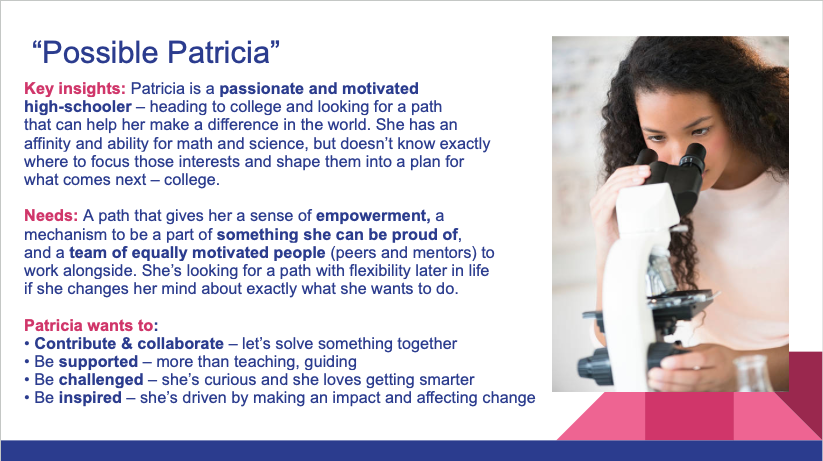
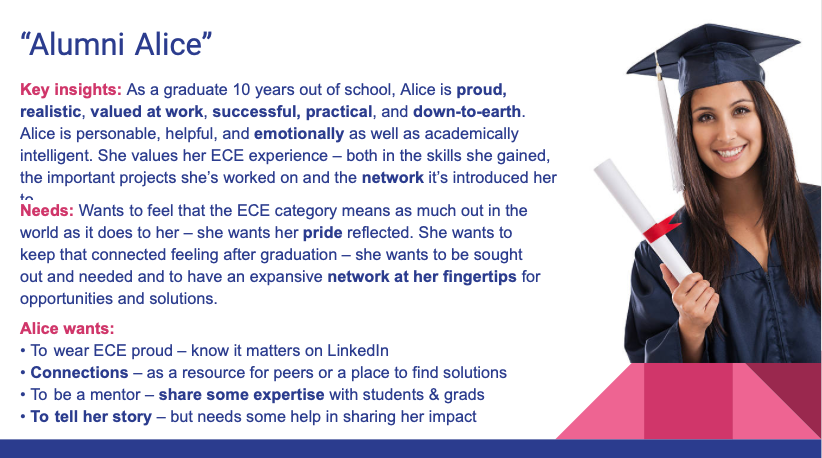
In closing, when researching your data, it is important to continually revise this information, and to continue your research. As you gather more and interact with your audience, you will have an increasingly clear and accurate view of your audience. Based on the knowledge you have obtained, you can optimize and continue to hone in on these personas to achieve your best results.
Resources and Next Steps
Join the ECEDHA Branding Working Group!
Interested in helping to continue the work of the 2017 branding initiative?
Email Kathleeen Meehan at k.meehan@ieee.org.
>> 2017 ECE Branding Initiative Materials
>> View ECEDHA 2023 Branding Session Slides
>> View ECEDHA 2023 Branding Session Poll Results