December 2025
What ECEDHA Heard This Fall
Shared Priorities from Regional Conversations
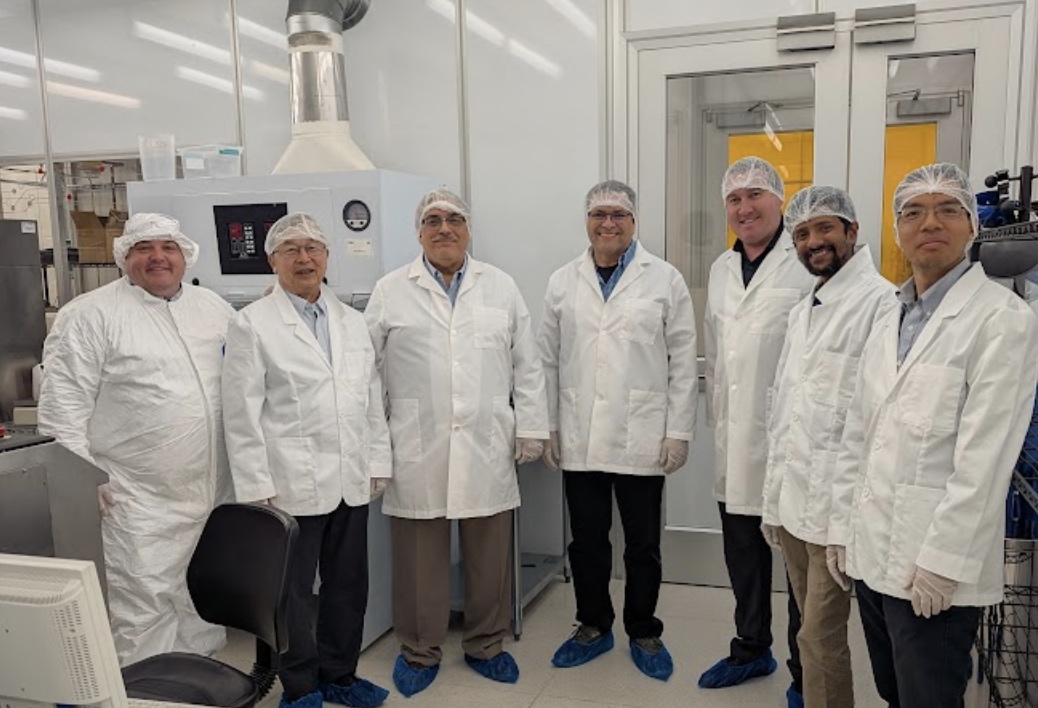
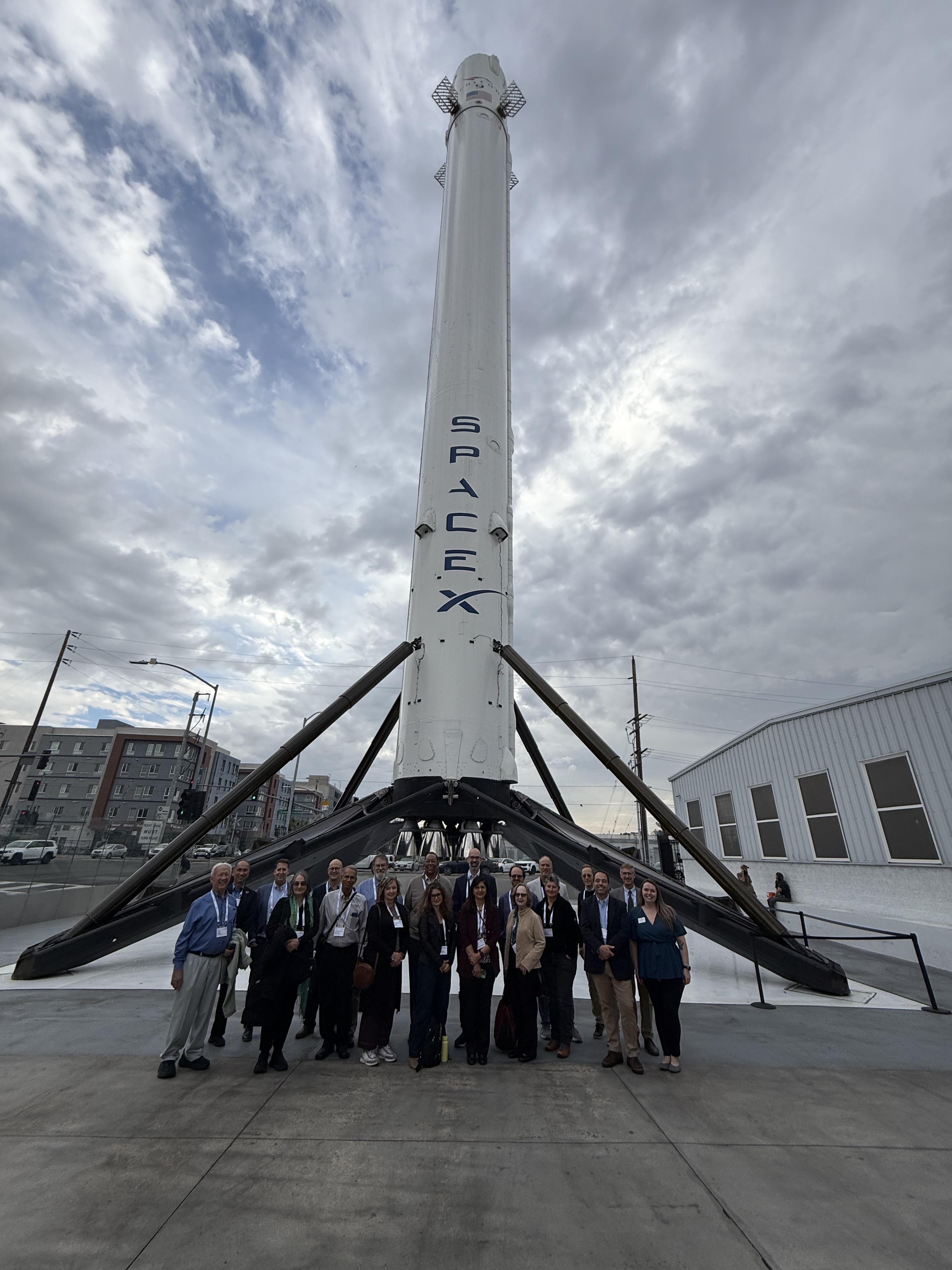
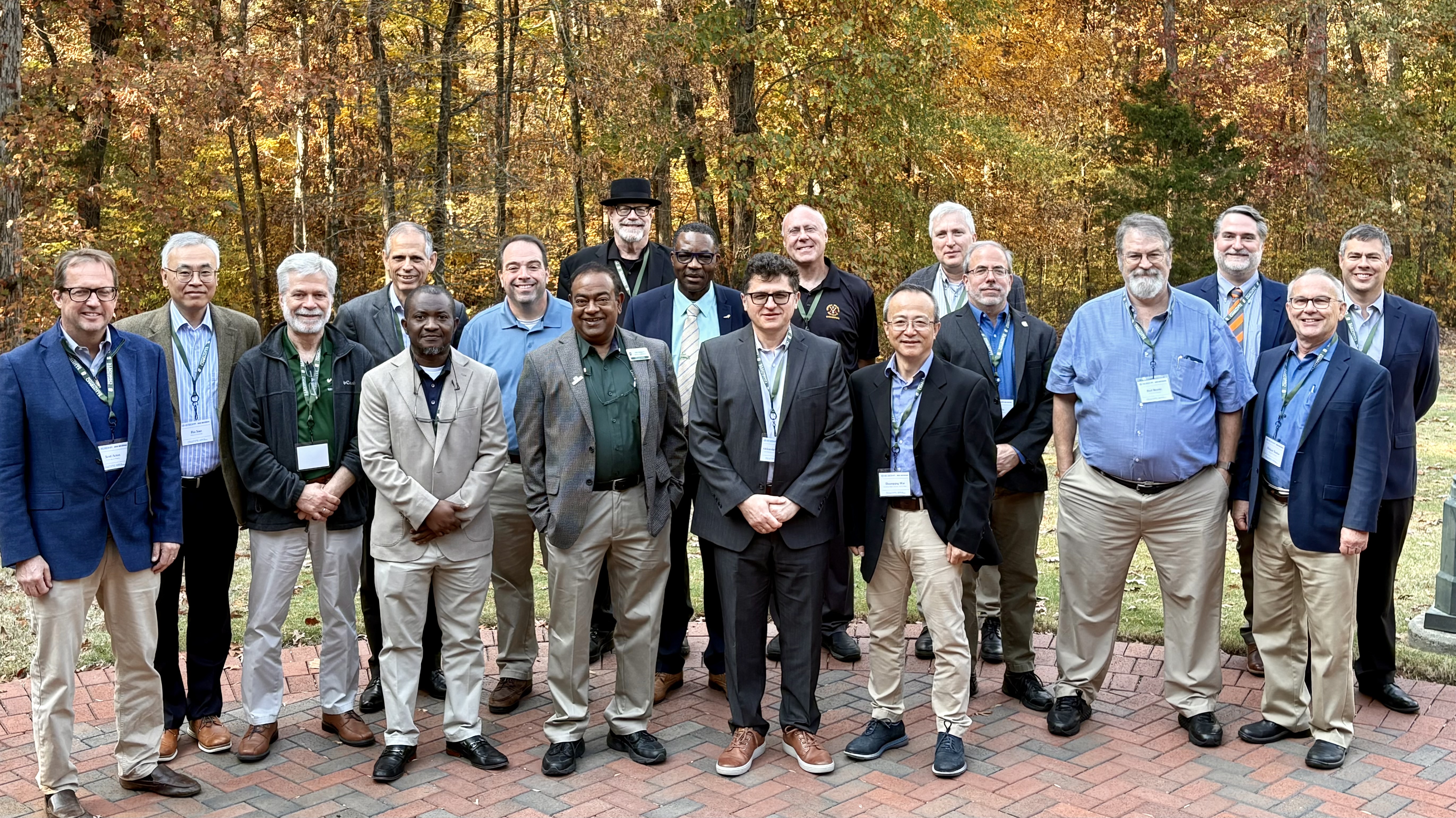
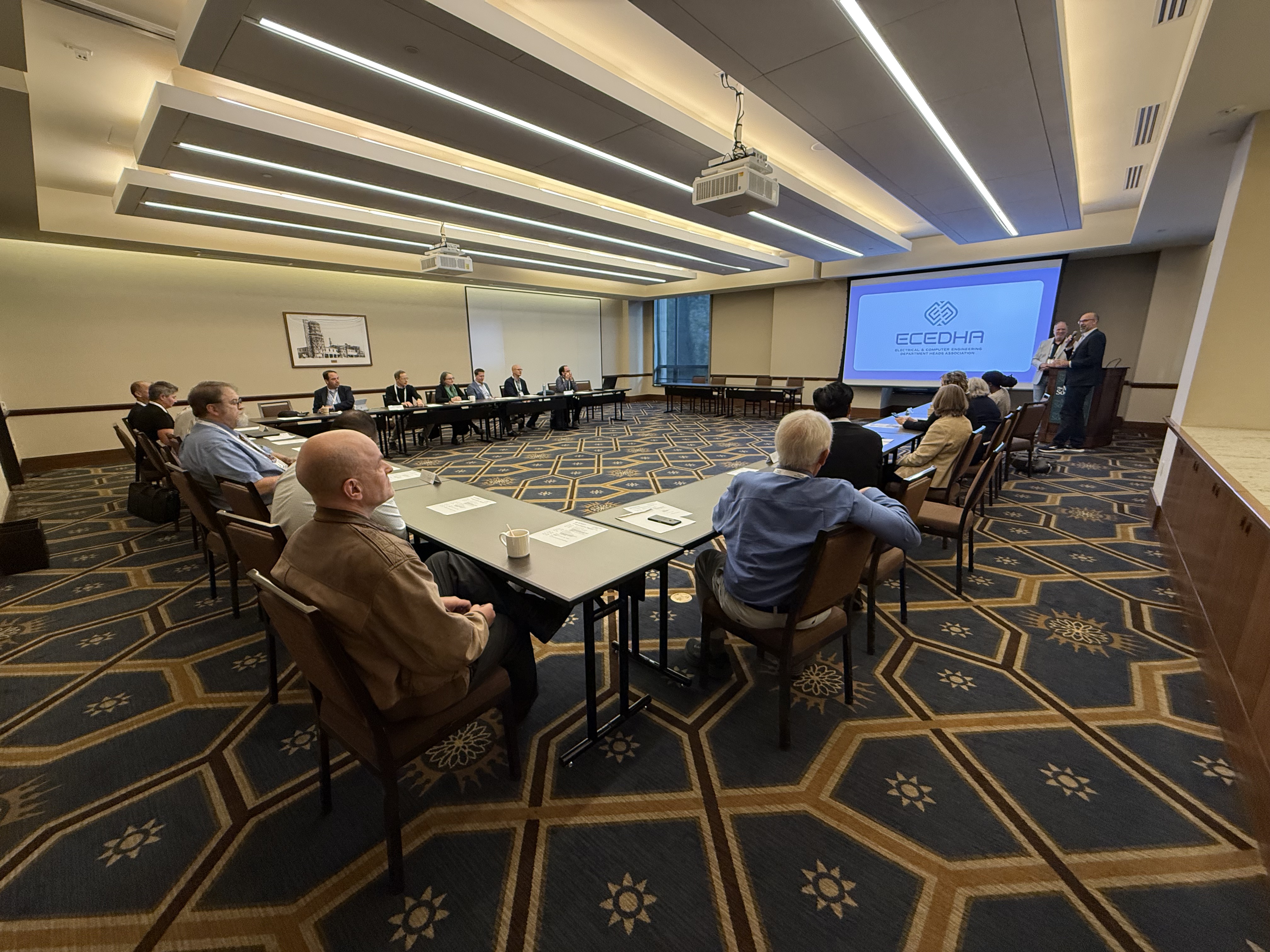
Throughout fall 2025, ECEDHA regional meetings brought department heads and academic leaders together at for discussions about how departments are thriving and what challenges they are facing. While each meeting reflected local contexts, the conversations converged around a shared set of topics shaping departments nationwide. From California to the Southeast and the Mid-Atlantic, chairs described an environment defined by rapid AI adoption, uncertainty in federal funding, evolving accreditation expectations, and concerns about how to sustain faculty and student success amid change.
Across regions, AI emerged as both an opportunity and a source of tension. Departments are working to determine how it should be taught and who should lead it. Faculty described the challenge of integrating AI meaningfully without hollowing out foundational knowledge, particularly in circuits, signals, and systems. Participants emphasized a shift away from banning AI tools toward teaching students how to verify outputs, understand limitations, and demonstrate learning through process, presentation, and applied problem solving. These conversations reflected broader national debates about AI literacy, workforce readiness, and academic integrity as generative AI becomes embedded across industry and higher education.
Faculty readiness surfaced as a parallel concern. Many chairs noted a widening gap between student fluency with AI tools and faculty comfort using them in teaching, assessment, and course design. Departments discussed practical uses of AI for grading support, content generation, and summarization, while acknowledging limits and equity concerns tied to access and overreliance. The consensus pointed toward a staged approach that builds AI competency over time rather than front-loading tools before students have adequate theoretical grounding.
Federal funding uncertainty shaped nearly every regional conversation. Leaders described delays in awards, shifting agency priorities, and the strain of covering graduate student support during prolonged funding gaps. While outright funding loss was not universal, timing disruptions created anxiety for students and junior faculty alike. Chairs shared strategies such as using tuition-generating professional master’s programs, short-term certificates, and AI upskilling initiatives to stabilize revenue and sustain graduate pipelines. These discussions echoed broader national concerns about research funding volatility and its downstream impact on hiring, enrollment, and tenure expectations .
Accreditation also emerged as a shared stress point. Recent ABET visits highlighted common weaknesses, particularly around data disaggregation, documentation, and assessment scope. Departments emphasized the importance of aligning claims with evidence, focusing assessment at the senior level, and avoiding aspirational language that cannot be supported. Ethics, societal impact, and cultural considerations in design were flagged as areas requiring more intentional integration. These conversations underscored how accreditation expectations continue to evolve alongside industry demands and public accountability.
Beyond curriculum and compliance, faculty sustainability became a recurring theme. Chairs spoke candidly about rising stress levels, shifting tenure metrics, and the need for stronger mentorship, especially for associate professors navigating mid-career transitions. Several institutions shared models for structured mentoring, internal proposal review, teaching support, and post-tenure development. The supporting faculty through uncertainty is now a core leadership responsibility, not an optional initiative.
Finally, infrastructure and workforce realities were a part of many discussions. Participants raised alarms about the power demands of AI-driven data centers, the mismatch between energy infrastructure timelines and technology deployment, and the responsibility of ECE programs to prepare students for these system-level challenges. Departments are beginning to differentiate between AI creator and AI consumer pathways, expand domain-specific AI applications, and embed ethics and societal context into technical education .
The fall 2025 regional meetings revealed a community dealing with fast-moving change while actively sharing strategies, lessons, and emerging models. These conversations did not end in November. They continue at the 2026 ECEDHA Annual Conference in Santa Ana Pueblo, New Mexico, where department heads, faculty, industry partners, and government representatives will build on this momentum. Participation at the annual conference is an opportunity to shape the next phase of ECE education, research, and workforce development together.
 .
 .